 by
by Most people picture the same five images when they think of Dubai street food: a shawarma spinning on a spit, a plate of luqaimat, and a busy stall at Global Village. That is not wrong, but it is incomplete. Ask anyone who has actually lived in Dubai, and they will tell you the real scene is not on the street at all. It is tucked inside small cafeterias, behind unmarked shopfronts, and in neighborhoods most tourists never wander into.
This guide blends the polished, camera ready recommendations with what actual residents order on a normal Tuesday afternoon, when nobody is trying to impress a tourist. The result is a picture of Dubai street food that is genuinely useful, whether you have three hours or three weeks in the city.
Key Fact: Dubai has almost no traditional roadside food carts, unlike Bangkok or Mumbai. Extreme summer heat (regularly above 45°C) and strict municipal hygiene laws mean the “street food” scene actually lives inside small, licensed cafeterias and hole in the wall restaurants instead.
Quick Reference: All Dubai Street Dishes at a Glance
| Dish | What It Is | Typical Price | Where to Find It |
|---|---|---|---|
| Shawarma | Grilled chicken or beef in pita with garlic sauce and pickles | AED 6 to 15 | Al Mallah, Laffah Cafeteria, Al Reef Lebanese Bakery |
| Falafel (including Falafel Mahshi) | Fried chickpea patties, sometimes stuffed with chili and sumac | AED 5 to 12 | Sultan Dubai Falafel, Qwaider Al Nabulsi |
| Manakish | Flatbread topped with za’atar, cheese, or meat | AED 5 to 15 | Zaroob, Baker & Spice |
| Karak Chai | Spiced, milky tea influenced by South Asian tradition | AED 1 to 3 | Almost any local cafeteria |
| Chips Oman Sandwich | Flaky paratha stuffed with cheese, hot sauce, and crushed chips | AED 5 to 10 | Al Ijaza Cafeteria, Jabal Al Noor |
| Biryani | Spiced rice dish with meat, several regional versions available | AED 12 to 30 | Pak Liyari, Ravi Restaurant |
| Luqaimat | Fried dough balls drizzled with date syrup | AED 5 to 15 | Local markets, food festivals |
| Pani Puri and Chaat | Crispy shells with tamarind water, potato, and chickpeas | AED 8 to 15 | Meena Bazaar, Karama |
| Iranian Kebabs | Yogurt marinated grilled meats served with naan | AED 20 to 40 | Al Ustad Special Kabab |
| Feteer | Layered Egyptian pastry with savory or sweet filling | AED 10 to 25 | Al Amoor, Deira |
Key Fact: A full “breakfast combo” of karak chai, a samosa, and a paratha typically costs under AED 10 total, making it one of the cheapest full meals anywhere in Dubai.
Is There Really Street Food in Dubai? The Honest Answer
Here is a contrast most people never hear about. The common image of Dubai street food is a colorful, open air experience full of stalls and carts. The everyday reality is quieter but arguably more interesting: a “cafeteria culture” where AED 5 to 10 buys you a proper meal from a shopfront the size of a walk in closet.
Both pictures are true, just for different seasons and different neighborhoods.
| The Common Image | The Everyday Reality |
|---|---|
| Colorful street stalls and open air markets | Mostly indoor cafeterias and small restaurants |
| Available year round | Real “market” energy only appears October to April |
| Shawarma and falafel as headline dishes | Karak chai, Chips Oman sandwiches, and biryani are the daily staples |
| Global Village as the top spot | Global Village often runs pricier than a neighborhood cafeteria, which is where the real value sits |
So if someone asks you “is Dubai a street food city,” the accurate answer is: not in the Southeast Asian sense of the word, but yes in the sense that incredible, cheap, multicultural food is everywhere once you know where to look.
The 3 Tier Dubai Street Eat Framework
To make sense of the hundreds of options, it helps to sort Dubai’s street food scene into three practical tiers. Think of this as your mental map for the rest of the trip.
Tier 1: Grill and Rotisserie Counters
This is the tourist facing layer, dominated by shawarma shops, falafel counters, and manakish bakeries. These are open daily, easy to find, and forgiving for first timers.
Tier 2: The Cafeteria Combo Culture
This is the tier most visitors never discover, yet it is what actual Dubai residents eat on a Tuesday afternoon. A cafeteria here is a tiny, no frills restaurant serving one or two specialties, a cup of karak chai, and maybe a sandwich, all for under AED 15.
Tier 3: Seasonal Night Markets and Festival Hubs
These only appear in the cooler months (roughly October through April) and include night markets, Global Village, and pop up food truck parks. This tier is the closest Dubai gets to a “walk and graze” street food experience.
Data Snapshot: Combining pricing from multiple sources, a single street style meal in Dubai typically falls between AED 5 and AED 40, but the realistic sweet spot for a satisfying meal plus a drink is AED 15 to 25, or roughly USD 4 to 7.
Neighborhood by Neighborhood: Where to Actually Go
Rather than repeating the same three neighborhoods that always get mentioned, here is a fuller map covering both the well known hotspots and the areas that only come up in firsthand local recommendations.
| Neighborhood | Known For | Average Meal Cost | Best For |
|---|---|---|---|
| Al Karama | Indian and Pakistani snacks, chaat, vada pav | AED 10 to 25 | Budget travelers, vegetarians |
| Al Satwa | Lebanese and Arabic grills, shawarma | AED 8 to 20 | Classic Middle Eastern flavors |
| Deira and Hor Al Anz | Iranian kebabs, Iraqi and Egyptian food, seafood | AED 10 to 30 | Old Dubai atmosphere, feteer pastry |
| Bur Dubai | Biryani, nihari, paratha rolls | AED 12 to 30 | Hearty South Asian meals |
| Jumeirah (Beach Road) | Cafeteria sandwiches, fruit cocktails, karak | AED 5 to 15 | Late night snacking |
| International City | Regional Chinese street food, hand pulled noodles, Uyghur skewers | AED 10 to 25 | Something totally unexpected |
If you only have one evening in the city, Al Karama consistently earns the top rating for the sheer density and variety of affordable food packed into a few walkable blocks.
Must Try Street Foods in Dubai: The Complete List
Here are some of the best tourist favorites street food in Dubai that you must try in 2026:
1. Shawarma
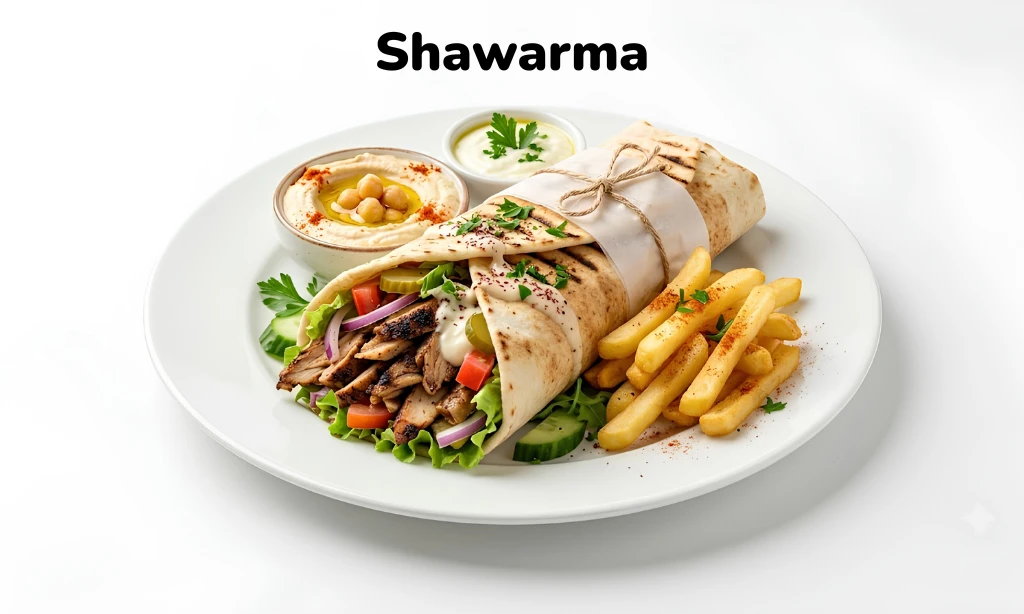
- Shawarma, widely considered Dubai’s single most iconic street food, built from thin slices of chicken or beef shaved off a vertical rotisserie.
- Wrapped in soft pita or Arabic bread with garlic sauce (toum), pickles, and sometimes fries tucked inside for extra crunch.
- Where to eat it: Al Mallah in Satwa, Laffah Cafeteria, or Al Reef Lebanese Bakery in Karama. Expect AED 6 to 15.
2. Falafel
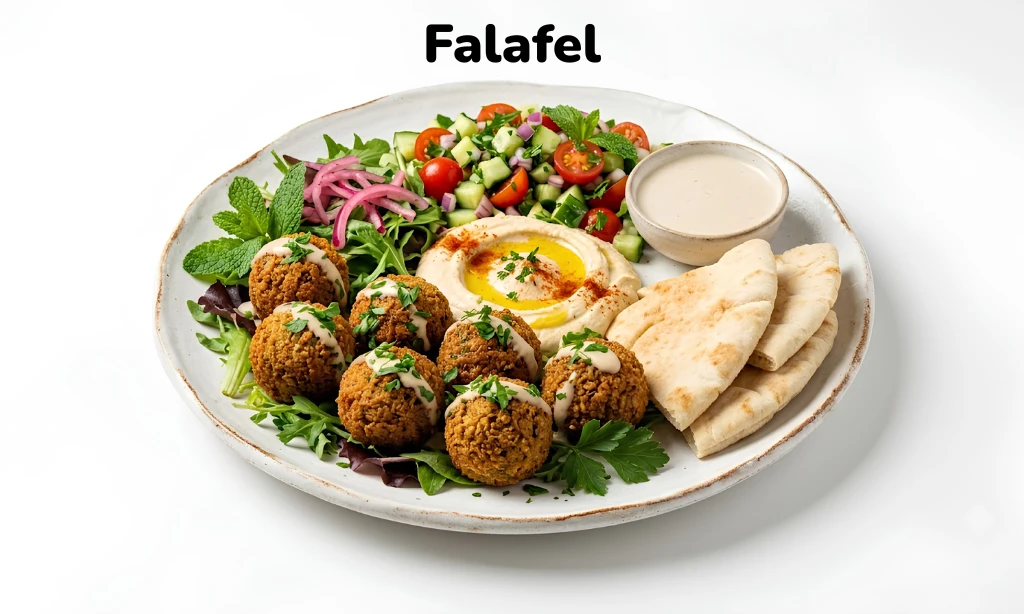
- Falafel, a deep fried chickpea or fava bean patties, crisp on the outside and soft inside, usually served with tahini sauce and pickled vegetables.
- The go to vegetarian street food across the city, and a version called Falafel Mahshi comes stuffed with chili and sumac for extra kick.
- Where to eat it: Sultan Dubai Falafel and Qwaider Al Nabulsi in Deira are among the most repeated recommendations. Expect AED 5 to 12.
3. Manakish
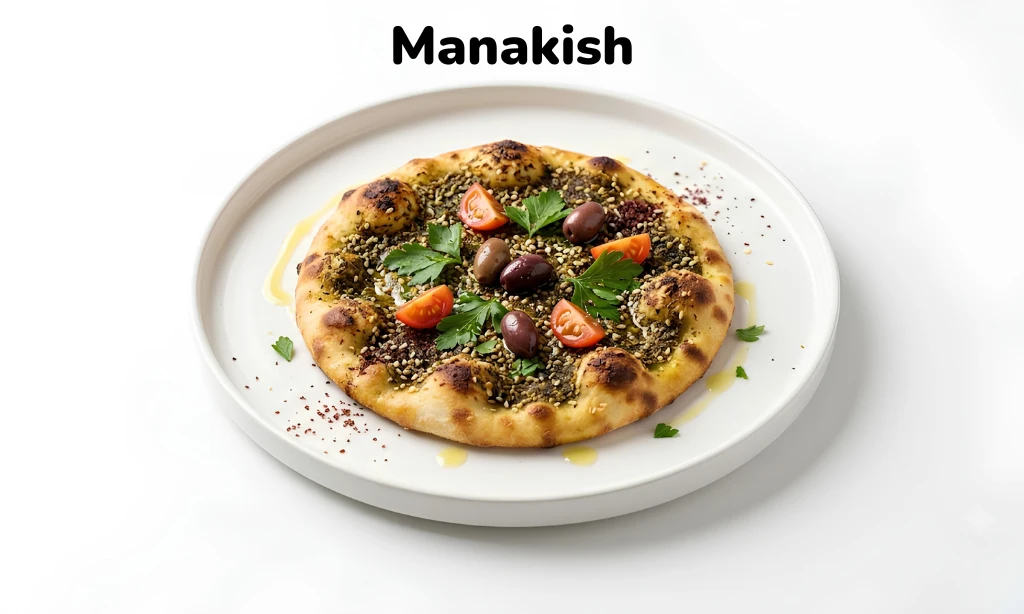
- Manakish, often nicknamed the Middle Eastern pizza, this Levantine flatbread is topped with za’atar, melted cheese, or spiced minced meat before baking.
- A breakfast staple across the city, usually eaten on the go, folded in half, straight out of the oven.
- Where to eat it: Zaroob or Baker & Spice for a freshly baked version. Expect AED 5 to 15.
4. Karak Chai
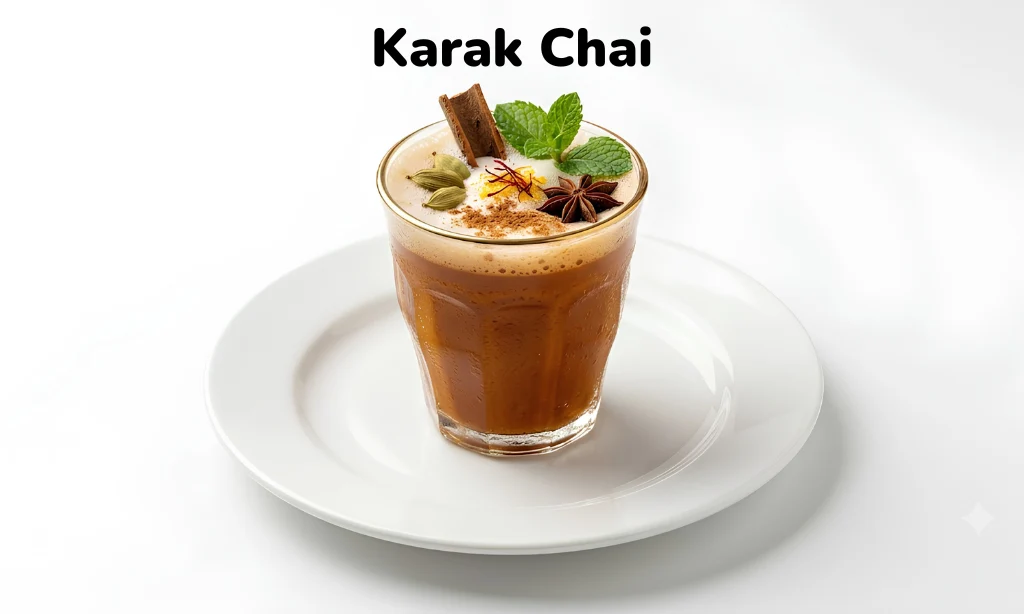
- Karak Chai, a strong, milky, cardamom spiced tea, brought to the UAE through decades of South Asian migration and now considered a genuine local staple rather than an import.
- Almost always served in a small plastic cup and paired with a savory snack rather than drunk on its own.
- Where to eat it: Any neighborhood cafeteria will do, this is the one dish that does not require research to find. Expect AED 1 to 3.
5. Chips Oman Sandwich
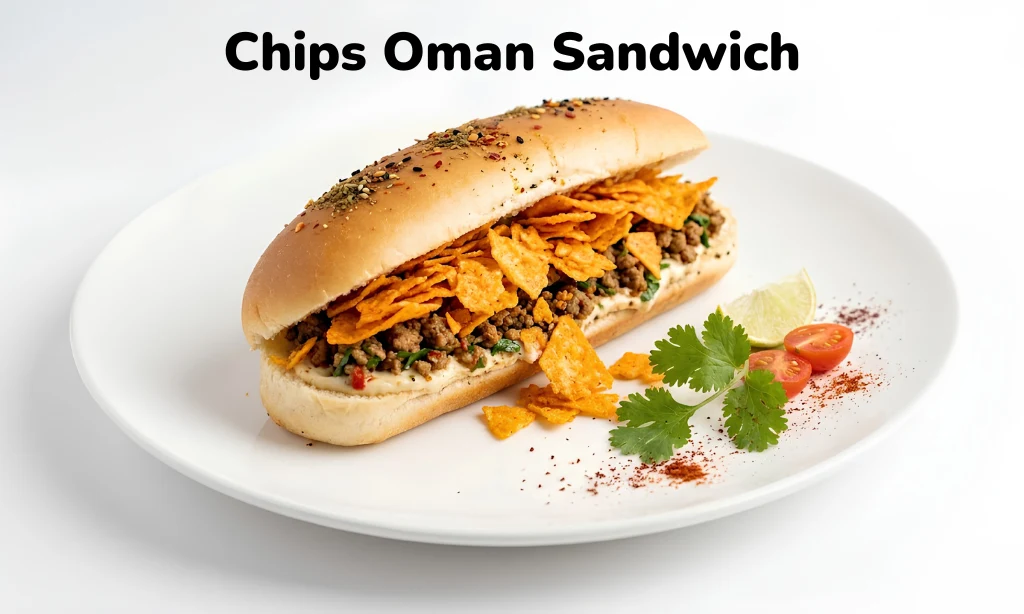
- Chips Oman Sandwich, drequently called the UAE’s unofficial national dish, made by crushing a bag of Chips Oman potato chips into a flaky Kerala style parotta with processed cheese and hot sauce.
- Traces back to South Indian migrant communities in the 1970s and 80s, and remains a genuine nostalgia dish for anyone who grew up in the Gulf.
- Where to eat it: Al Ijaza Cafeteria and HumYum on Jumeirah Beach Road are the most cited spots. Expect AED 4 to 12.
6. Biryani
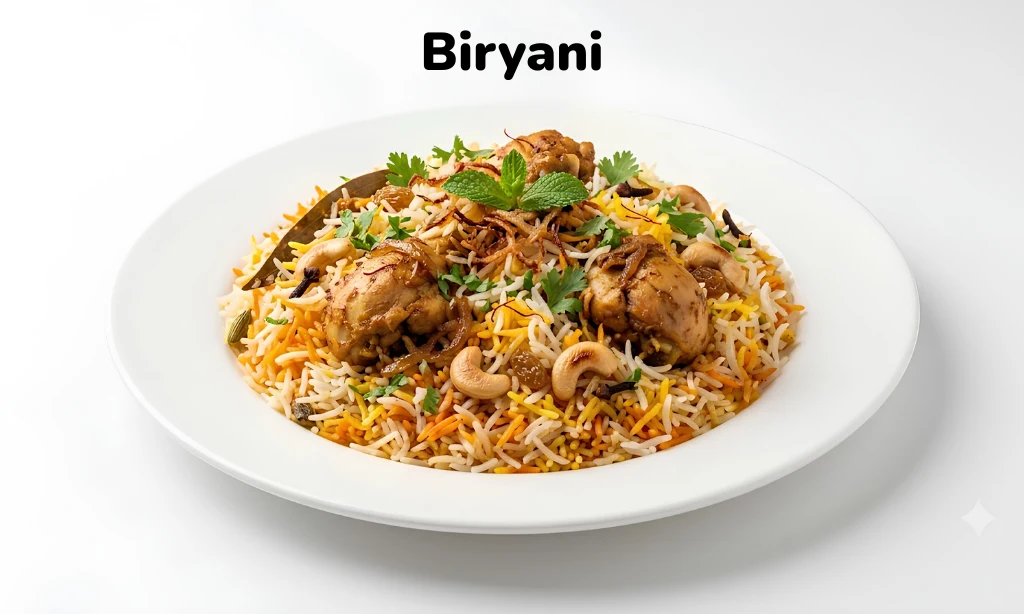
- Biryani, a layered, spiced rice dish cooked with meat and slow steamed to develop flavor, with Hyderabadi, Pakistani, Kerala, and Lucknowi styles all represented in the city.
- Considered one of the most reliable full meal street style options, filling enough to skip a second course entirely.
- Where to eat it: Pak Liyari in Deira is routinely named the most authentic mutton biryani in the city. Expect AED 12 to 30.
7. Luqaimat
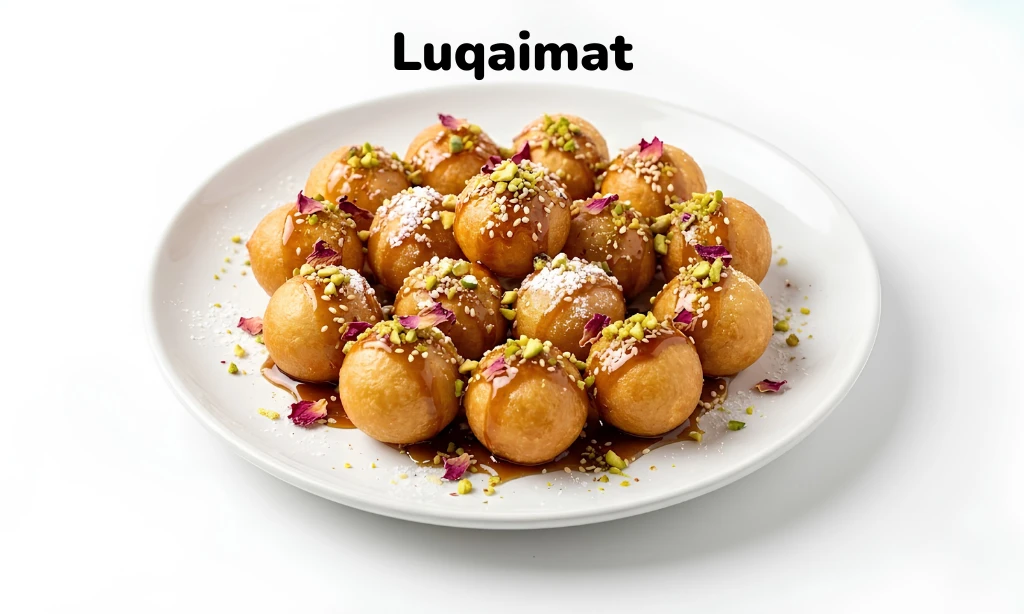
- Luqaimat, a small, golden dough balls deep fried until crisp outside and soft inside, then drizzled with date syrup and sometimes sesame seeds.
- A traditional Emirati dessert that appears constantly during Ramadan and heritage festivals, though good cafeterias serve it year round.
- Where to eat it: Local food festivals and markets during the cooler months are your best bet for the freshest batches. Expect AED 5 to 15.
8. Pani Puri and Chaat
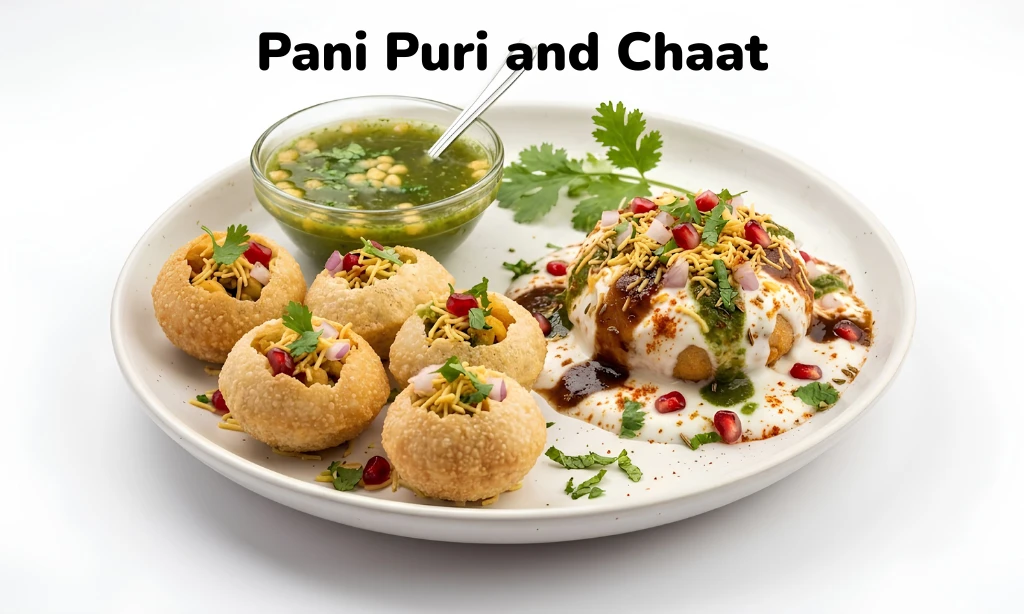
- Pani Puri and Chaat dish, a crispy, hollow shell filled with spiced tamarind water, potatoes, and chickpeas, meant to be eaten in a single bite before it turns soggy.
- One of the most visible signs of Dubai’s large South Asian community, and a genuine crowd favorite regardless of nationality.
- Where to eat it: Meena Bazaar and the wider Karama area have the highest concentration of stalls. Expect AED 8 to 15.
9. Iranian Kebabs
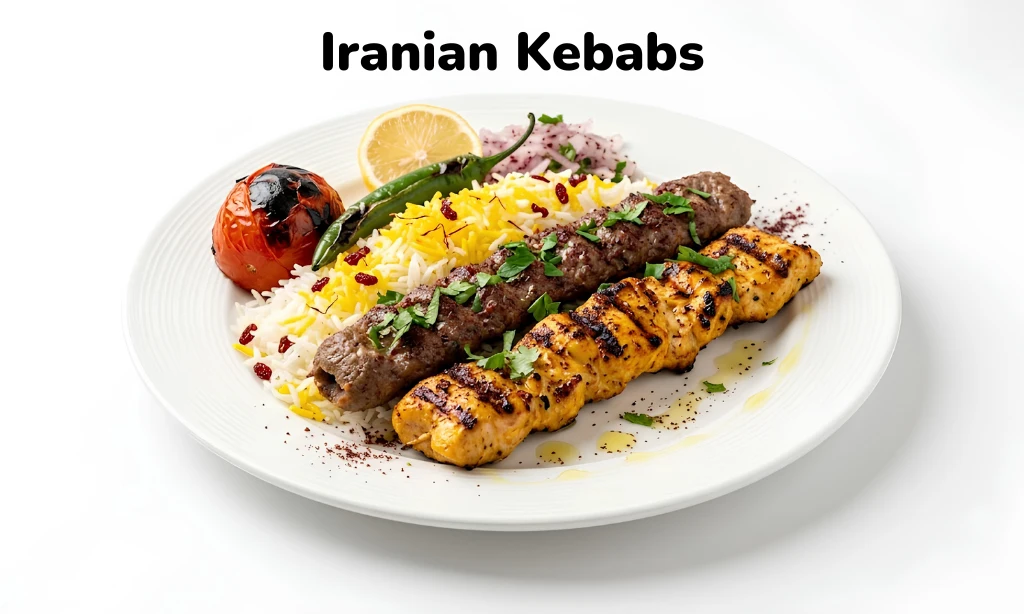
- Iranian Kebabs, skewered, yogurt marinated chicken or mutton grilled over open flame, typically served with fresh naan, grilled tomato, and butter.
- Where to eat it: Al Ustad Special Kabab in Bur Dubai, a decades old joint with walls covered in old photographs. Expect AED 20 to 40.
10. Feteer
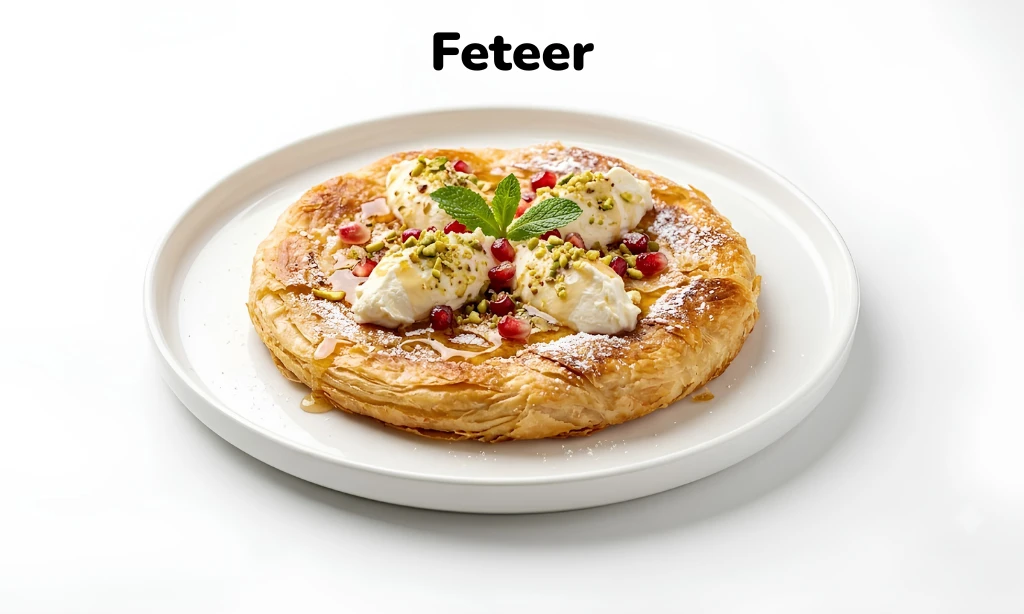
- Feteer, a flaky, layered Egyptian pastry that can be prepared savory, stuffed with cheese or minced meat, or sweet, filled with honey and nuts.
- Less globally known than shawarma or falafel, making it one of the better local secret picks for adventurous eaters.
Hidden Gems Even Guidebooks Miss
These names rarely appear in polished tourism content, but they come up again and again in genuine local recommendations, and they are exactly the kind of spots worth seeking out.
- Al Reef Lebanese Bakery (Karama): A favorite for fresh, affordable shawarma that regularly beats more famous spots on taste alone.
- Al Ijaza Cafeteria (Jumeirah Beach Road): Known for its elaborate, oddly named fruit cocktails alongside the classic Chips Oman sandwich.
- Pak Liyari (Deira): Frequently named the best mutton biryani in the city, served without any fuss or frills.
- Ravi Restaurant (Satwa): Considered a rite of passage for anyone serious about Dubai food, known for mutton peshawari and fresh naan eaten on plastic chairs outside.
- International City’s Chinese food court: A genuine surprise for most visitors, offering authentic regional Chinese dishes rarely found elsewhere in the city.
Night Markets and Seasonal Hubs (Winter Only)
If your trip falls between October and April, you get access to an entirely different layer of Dubai’s food scene that simply does not exist in summer.
| Market or Hub | Season | What Makes It Worth Visiting |
|---|---|---|
| Global Village | October to April | Massive multicultural food hub; the Thai Floating Market and Pakistani pavilion get the strongest recommendations |
| Rigga Night Market | Winter | Small scale, local, and less crowded than Global Village |
| Al Barsha Night Market | Winter | Good mix of Arabic and South Asian stalls |
| Moon Night Market (Karama) | Winter | Popular with residents for casual evening snacking |
| Souq Al Marfa and Deira Waterfront Market | Year round, best in cooler months | Buy fresh fish directly from fishermen and have it grilled on the spot at adjacent stalls like Yahya |
| Madha Food Court | Winter road trip option | Located in a small Omani enclave inside the UAE; accepts AED and makes for a fun day trip with hawker style kebabs and grills |
Contextual Note: Some residents caution that Global Village prices can run higher than a genuine street food budget, since it functions more like a festival than a discount food market. If budget matters more than atmosphere, the smaller neighborhood night markets tend to offer better value.
Budget Decision Matrix
Use this quick if/then guide to plan your food budget based on your priorities.
- If you want the cheapest possible meal, then stick to karak chai, samosas, and paratha rolls from a neighborhood cafeteria for around AED 5 to 10 total.
- If you want a filling one dish meal, then order biryani or a shawarma wrap, both averaging AED 12 to 20.
- If you want a splurge worthy street style meal, then try Iranian kebabs or a seafood plate from Deira Waterfront Market, typically AED 25 to 40.
- If you are vegetarian, then head straight to Karama or Bur Dubai for dosa, chaat, and vegetable samosas, which are widely available and rarely exceed AED 15.
- If you are visiting between May and September, then plan around air conditioned cafeterias and food courts rather than outdoor markets, since most seasonal night markets are closed during summer.
Practical Tips for Eating Like a Local
- Carry a small amount of cash (AED 10 to 50), since many small cafeterias still prefer it over cards.
- Look for busy counters with high foot traffic. A queue of taxi drivers or local residents is one of the most reliable signs of good, fresh food.
- Do not judge a spot by its appearance. Some of the best meals in the city come from the most unremarkable looking shopfronts.
- Portions are often generous enough to split between two people, especially biryani and grilled platters.
- Evening hours, roughly 6 PM to 11 PM, are when both cafeterias and seasonal markets are liveliest.
- Try Emirati dishes like luqaimat and karak chai alongside the more famous international options for a fuller picture of local food culture.
Frequently Asked Questions About
Not in the traditional roadside cart sense. Strict hygiene regulations and extreme summer heat mean Dubai’s version of street food lives mainly inside small cafeterias and hole in the wall restaurants, with actual outdoor markets appearing only during the cooler months.
Karak chai and samosas are the cheapest options, often costing AED 1 to 3 each. A full simple breakfast combo can cost under AED 10.
Yes. Dubai enforces strict food safety inspections, and high foot traffic cafeterias generally have fast turnover, meaning fresher food. Choosing busy, well reviewed spots is the safest approach.
Al Karama is the most frequently recommended neighborhood for its density of affordable Indian, Pakistani, and Filipino food within a small walkable area.
October through April, when temperatures are cooler and seasonal night markets like Global Village, Rigga Night Market, and Moon Night Market are open.
It is a popular Dubai cafeteria snack made from a flaky paratha stuffed with processed cheese, hot sauce, and crushed Chips Oman potato chips, best known from spots like Al Ijaza Cafeteria.