 by
by Dubai sits at the crossroads of the world’s biggest date-producing region, and that shows the moment you start shopping. In one afternoon you can walk from a marble-floored boutique selling chocolate-dipped Medjool for AED 300 a kilo, to a Deira wholesaler weighing out the same fruit for AED 25. Neither shopper is wrong. They’re just buying dates in Dubai for different reasons, and that’s really the whole secret to getting this right.
This guide skips the generic “top 10 shops” listicle format and instead breaks the city down by what you’re actually trying to do: gift, snack, cook, or stock up for the year. Every price, variety, and location below has been checked against current listings so you’re not working off stale information.
- Why the Price Gap Is So Big (And Why That’s Actually Good News)
- The Dubai Date-Buying Decision Matrix
- Boutique and Gifting Specialists
- Wholesale and Bulk Buying: Where Locals Actually Shop
- Everyday Supermarkets: The Convenience Option
- The Six Date Varieties Worth Knowing Before You Shop
- Freshness and Travel Checklist
- Quick Answers
Why the Price Gap Is So Big (And Why That’s Actually Good News)
Before naming names, it helps to understand why a kilo of Medjool dates in Dubai can cost AED 40 in one neighborhood and AED 300 a ten-minute drive away. It comes down to three things: origin certification, packaging labor, and rent.
A boutique in Dubai Mall is paying for climate-controlled retail space, hand-stuffing labor (almonds, candied citrus, pistachio), and gift-box design. A wholesaler in Deira is paying for none of that; they’re moving volume straight off the truck. Neither the fruit’s quality nor its origin necessarily differs; what you’re paying extra for at the boutique is the experience and presentation.
Why this matters for you: if you’re buying dates to eat on your own kitchen counter, the wholesale route gets you identical fruit for a fraction of the cost. If you’re buying a gift for a client or relative back home, the boutique’s packaging is doing real work you’d otherwise have to do yourself.
The Dubai Date-Buying Decision Matrix
Use this table to skip straight to the right shopping trip instead of reading through every option.
| Your Goal | Where to Go | Typical Spend | Why It Fits |
|---|---|---|---|
| Corporate or wedding gifting | Bateel Boutique (multiple mall locations) | AED 75 to 300+ per box | Artisanal packaging, chocolate-covered and stuffed varieties |
| Everyday snacking, budget-first | Waterfront Market, Deira | AED 15 to 50/kg | Wholesale pricing, sample before you buy |
| Bulk stocking (10kg+) | Al Awir Fruit & Vegetable Market | AED 15 to 30/kg in bulk | Built for volume buyers, some travel required |
| Supporting Emirati agriculture | The Date Room, Al Barakah Dates | Moderate to High | Farm-to-table, UAE-grown produce |
| Authentic souk experience | Dubai Spice Souk, Meena Bazar (Bur Dubai) | Moderate, negotiable | Bargaining culture, mixed nut and date stalls |
| Quick supermarket run | Carrefour, LuLu Hypermarket | AED 15 to 60/kg | Convenient, consistent stock, loose or packaged |
| Saudi-origin varieties (Ajwa, Mabroom) | Saudi Dates Center | AED 50 to 150/kg | Specializes in religiously significant, premium Saudi dates |
Boutique and Gifting Specialists
Bateel: The Benchmark for Gourmet Dates
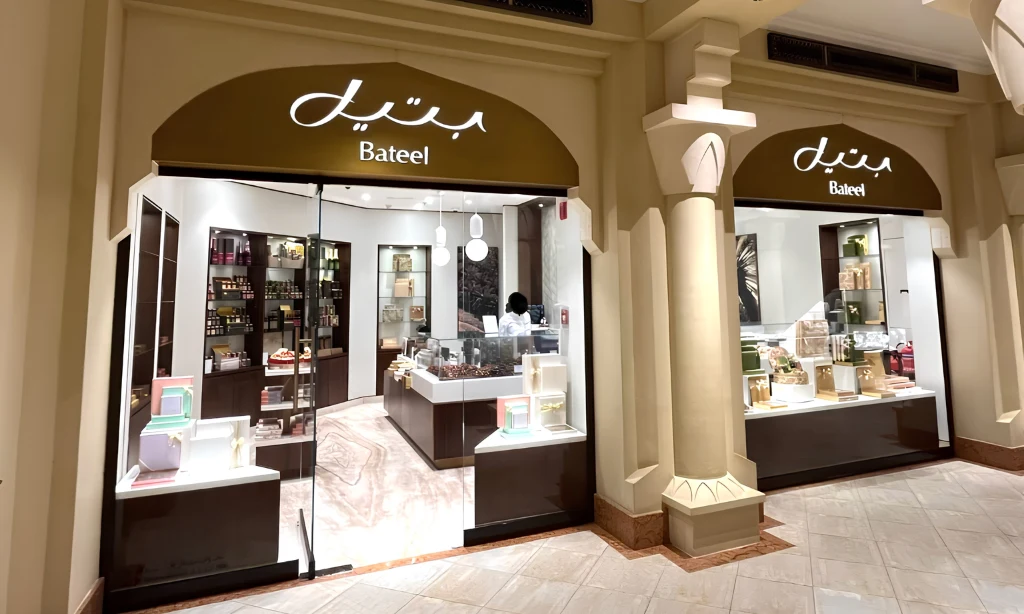
Bateel is the name that comes up first in almost every conversation about premium dates in the UAE, and for good reason. The brand sources organic dates from its own farms in Saudi Arabia and Al Ain, then finishes them like fine confectionery, think chocolate-enrobed dates, dates stuffed with caramelized nuts, and orange-peel-filled Medjool packed into lacquered gift boxes.
- Rating: 4.3 stars across most locations, with strong repeat-customer sentiment
- Best for: Corporate gifting, weddings, and souvenirs that need to look expensive without you spending a week wrapping them yourself
- Price range: AED 50 to 300+ per box depending on size and stuffing
- Where to find it: Dubai Mall, and most major shopping malls across the city
If there’s one honest criticism that comes up repeatedly among shoppers, it’s that Bateel’s pricing sits well above what the same raw date variety costs elsewhere in the city. That’s not a flaw so much as the trade-off for the packaging and consistency you’re paying for.
The Date Room and Al Barakah: Emirati-Grown Alternatives
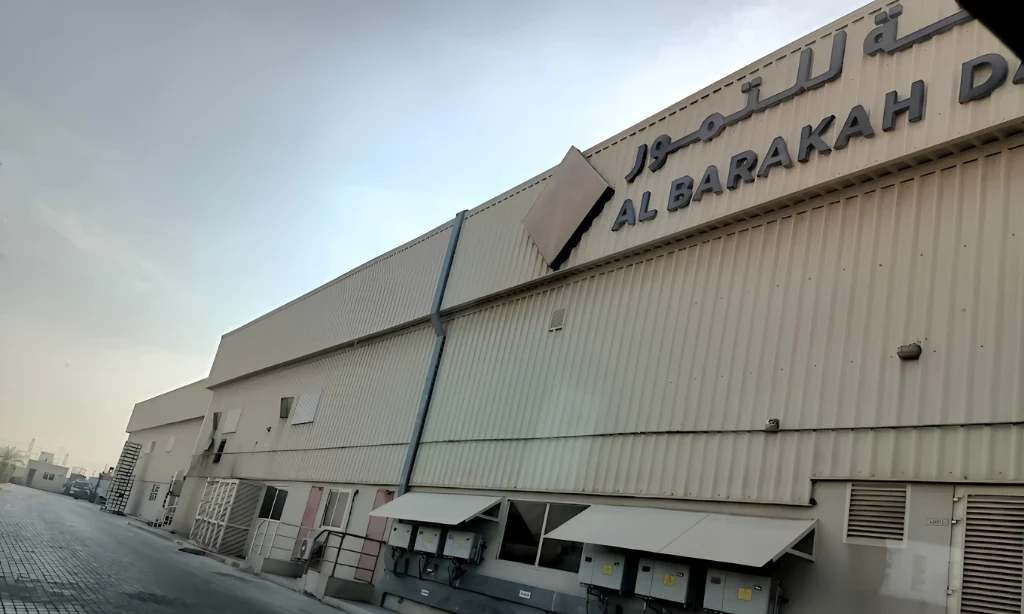
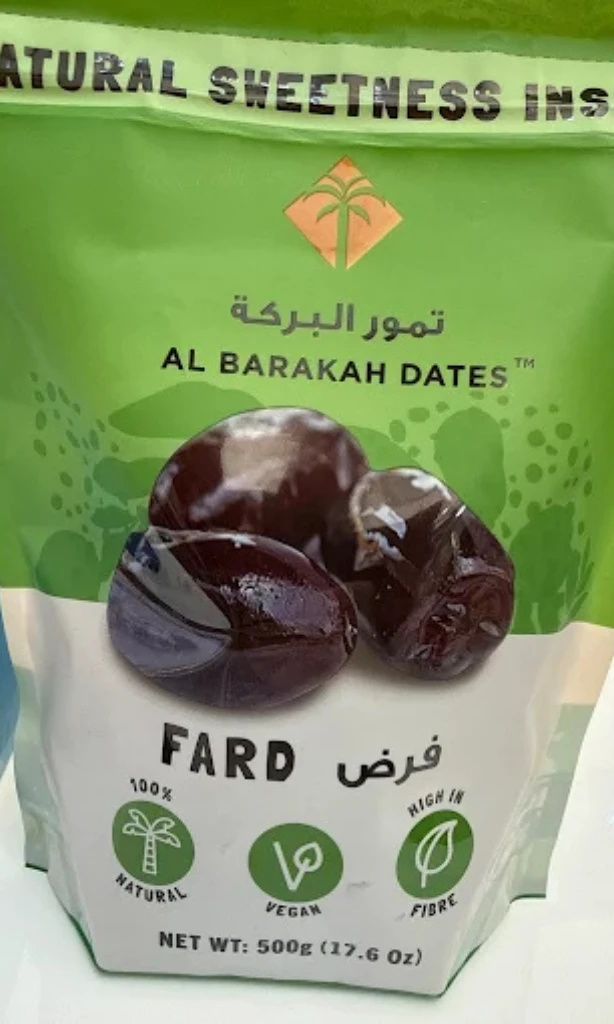
If you’d rather your money supported local UAE agriculture instead of imported Saudi stock, The Date Room and Al Barakah Dates are the two names worth seeking out. Both operate on a farm-to-table model using dates grown within the Emirates, and both offer elegant packaging alongside byproducts like date syrup, which is a genuinely useful pantry item once you’re back home (it’s a common sweetener in Emirati chebab pancakes).
- Rating: 4.3 (The Date Room)
- Best for: Buyers who specifically want UAE-origin (not Saudi-imported) dates
- Price range: Moderate to High
Kingdom Dates and Jewels Cafe
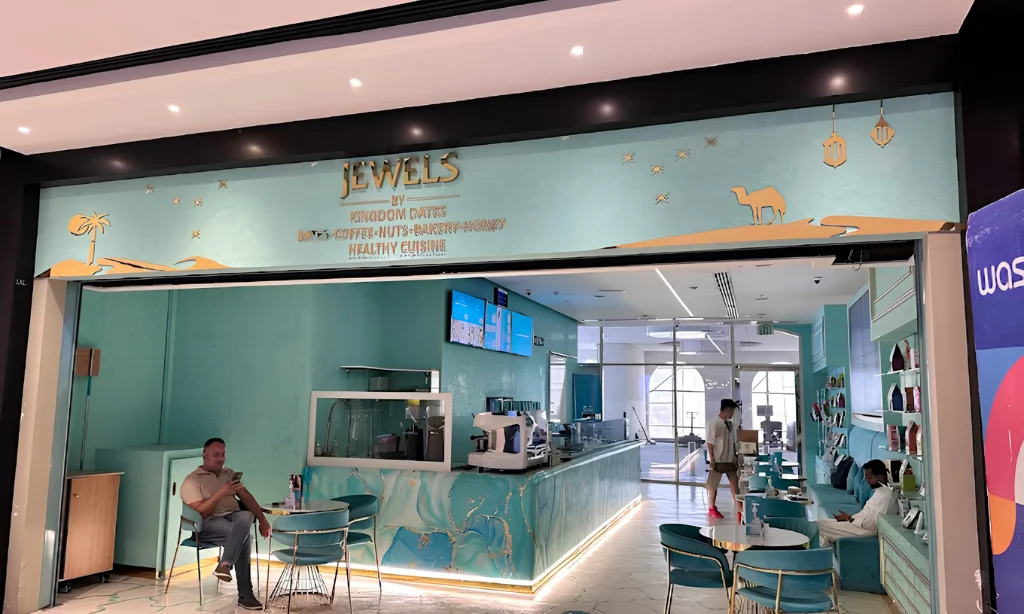
Kingdom Dates built its reputation on fresh, organic varieties including Medjool, Khidri, Ajwa, Segai, and Sukkari. Its retail arm, Jewels Cafe by Kingdom Dates, blends a boutique gifting experience with a coffee-shop setting in Jumeirah, and carries a 4.6 rating, making it one of the higher-rated gifting stops in the city.
Wholesale and Bulk Buying: Where Locals Actually Shop
This is the category most tourist guides skip entirely, and it’s where you’ll get the sharpest sense of what dates actually cost in the Gulf.
Waterfront Market, Deira
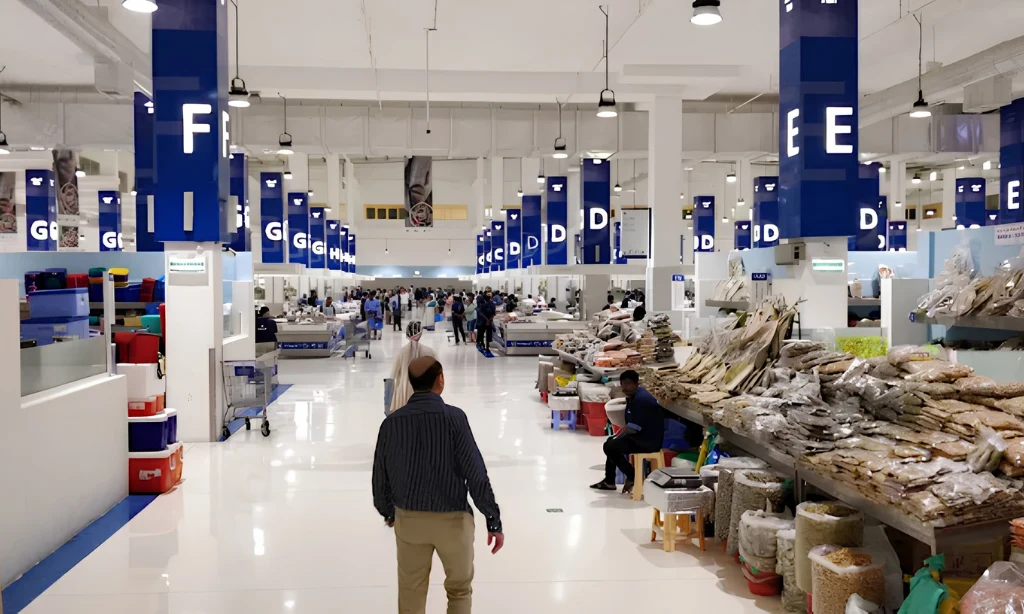
Waterfront Market is a modern, indoor wholesale market that keeps traditional souk pricing without the heat and dust of an open-air stall. Head to the fruit and vegetable section toward the back of the market, where vendors sell out of large sacks and trays.
Key Fact: Medjool dates at Waterfront Market commonly start around AED 25 per kilogram, roughly one-tenth of comparable boutique pricing for the same variety.
- Rating: 4.5, the highest-rated market option in this guide
- Best for: Sampling multiple varieties before committing, bulk purchases, budget shoppers
- Vendors typically let you taste before you buy, so don’t be shy about asking for a sample of two or three varieties before you decide
Al Awir Fruit & Vegetable Market
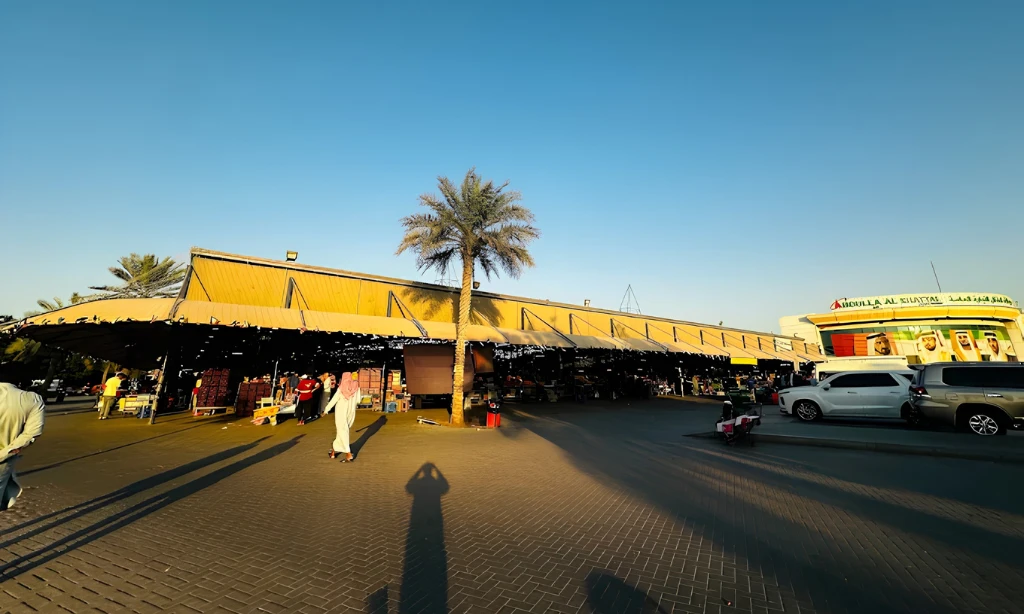
For genuinely large purchases, such as 20kg boxes for a big family or an event, Al Awir Fruit & Vegetable Market is the destination locals point toward. It sits further from the city center, so it’s less of a casual stop and more of a planned trip, but the per-kilo savings on bulk boxes make the drive worthwhile if you’re buying in serious quantity.
Dubai Spice Souk and Meena Bazar (Bur Dubai)
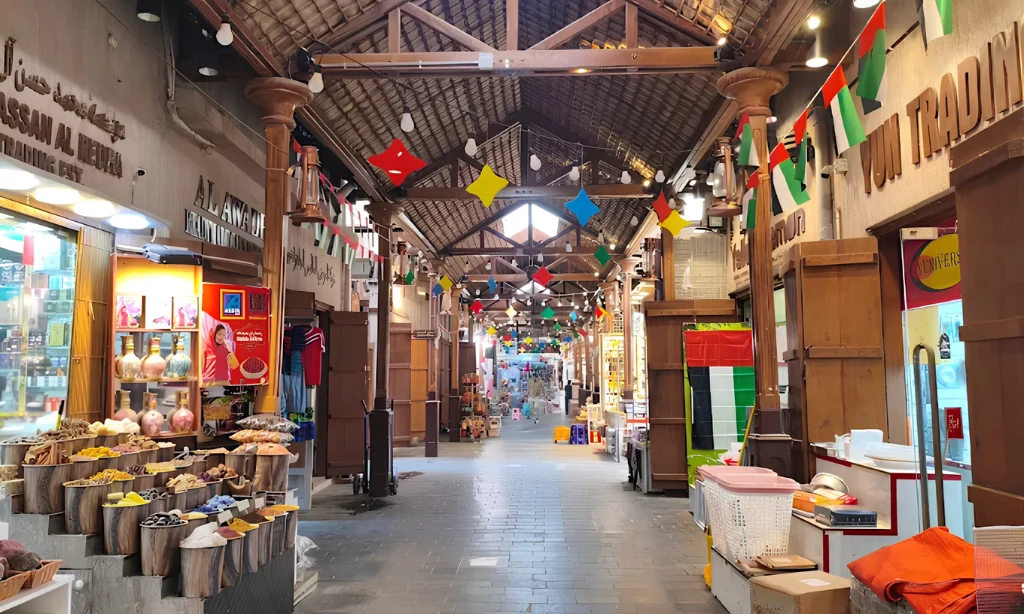
If wholesale pricing is a bonus and the experience is the real goal, the Dubai Spice Souk in Old Dubai delivers exactly that: narrow, aromatic alleyways along Dubai Creek lined with open trays of dates, spices, and dried fruit, with vendors expecting (and welcoming) a bit of friendly bargaining.
Meena Bazar in Bur Dubai serves a more practical crowd. Its small dry-fruit and spice shops offer custom mixing (dates blended with your choice of nuts) and, importantly, vacuum-sealing services so your purchase survives the flight home without turning into a sticky mess in your suitcase.
Everyday Supermarkets: The Convenience Option
Not every date run needs to be an event. Carrefour and LuLu Hypermarket stock a genuinely wide range, loose and packaged, across dozens of branches citywide, including Mall of the Emirates, Deira City Centre, Festival City, Burjuman, and Ibn Battuta Mall, among many others.
| Variety | What to Expect at a Supermarket | Approx. Price/kg |
|---|---|---|
| Medjool | Large, soft, caramel-toned flesh | AED 40 to 120 |
| Sukkari | Golden, honey-sweet, tender | AED 20 to 50 |
| Khidri | Firmer, lower sugar, budget-friendly | AED 15 to 35 |
| Ajwa | Dark, soft, prized for religious significance | AED 50 to 150 |
| Safawi | Rich, chewy, low sugar relative to Medjool | AED 25 to 60 |
Why it matters: supermarkets are the only category on this list where you can reliably buy dates and finish the rest of your grocery shopping in the same trip, which makes them the practical default for residents rather than tourists.
The Six Date Varieties Worth Knowing Before You Shop
Walking into any of these shops without knowing your varieties is like ordering coffee without knowing if you like it sweet or black. Here’s the quick-reference version.
- Medjool: Often nicknamed the “King of Dates.” Large, plump, and chewy with a caramel-forward flavor. The safest choice if you’re buying for someone unfamiliar with dates.
- Ajwa: Dark, soft, and mildly sweet, grown originally in Medina, Saudi Arabia. One of the pricier varieties due to strong demand.
- Sukkari: Pale golden with a slightly crisp exterior and honey-like sweetness. A crowd favorite for everyday snacking.
- Khidri: Firm, translucent dark-red skin, lower sugar content than Medjool or Ajwa. Good for stuffing with nuts.
- Safawi: Rich and chewy with comparatively low sugar. Pairs well with Arabic coffee.
- Sagai (Segai): Two-toned, with a slightly crunchy golden tip and softer brown base.
Freshness and Travel Checklist
Before you hand over your dirhams, run through this:
- Ask about the harvest or packing date. Fresh stock matters more than the shop’s reputation.
- Check the texture. Dates should be soft and plump; a light dusting of natural sugar crystallization is normal for some varieties, but heavy crystallization or a hardened shell usually signals age.
- Request vacuum sealing if you’re flying. This single step prevents the stickiness and moisture buildup that ruins dates in transit, and most souk and market vendors offer it for a small fee or free with bulk purchase.
- Store correctly once home. Fresh dates (called rutab) belong in the refrigerator. Fully dried dates (tamr) keep for months in an airtight container at room temperature.
- Taste before you commit, especially at souks and wholesale markets. Sampling is standard practice, not an imposition on the vendor.
- Shop early if you’re buying around Ramadan. Demand spikes as dates are the traditional food used to break the fast, and boutiques and markets alike sell through their best stock fast. If you’re in town during the holy month, it’s also worth checking out the top Ramadan tents across Dubai for iftar spreads built around the same dates you’re shopping for.
Quick Answers
What’s the cheapest place to buy dates in Dubai?
Waterfront Market in Deira and Al Awir Fruit & Vegetable Market consistently offer the lowest per-kilo pricing, with common Medjool starting around AED 25/kg against a boutique price of AED 150 to 300/kg for the same variety.
Where should I buy dates in Dubai as a gift?
Bateel remains the standard for presentation-first gifting, with Kingdom Dates (Jewels Cafe) and The Date Room as strong, slightly more moderately priced alternatives that still deliver polished packaging.
Are Dubai supermarket dates good quality?
Yes. Carrefour and LuLu stock the same major varieties (Medjool, Sukkari, Ajwa, Safawi, Khidri) found at specialty shops, typically at prices between wholesale and boutique, and they’re the most convenient option if you’re already grocery shopping.
Can I bring dates back home on a flight?
Generally yes, dried dates travel well and are permitted in checked and often carry-on luggage on most airlines, but it’s worth checking your destination country’s specific food-import rules. Ask your vendor to vacuum-seal the pack regardless, since it prevents leakage and keeps the fruit fresh far longer. If you’re picking up a last-minute box on your way out, some kiosks are available airside too, worth checking against Dubai airport’s food and dining options across terminals before you head through security.
What’s the difference between rutab and tamr dates?
Rutab refers to fresh, semi-ripe dates with a softer, moister texture that require refrigeration. Tamr refers to fully dried dates, which are shelf-stable and the more common form found in packaged retail.